
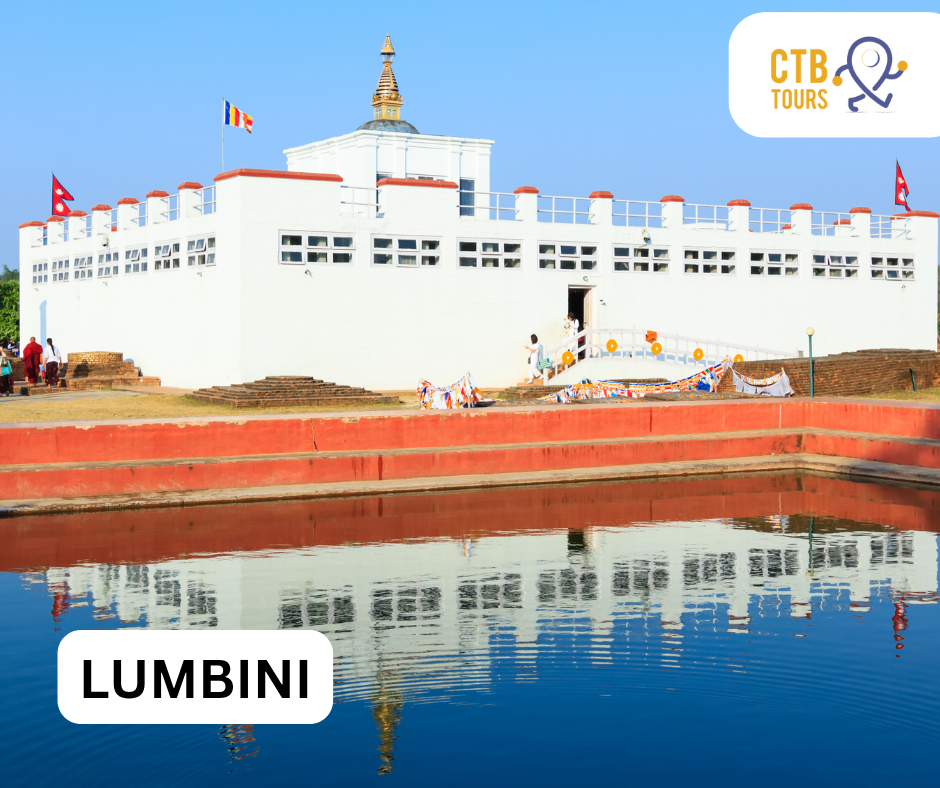
For the Buddhist community Lumbini is one of the four major place related to Buddha. It is the birthplace of Lord Buddha. Located in the calm and open landscapes of southern Nepal, this is the sacred site where Queen Maya Devi gave birth to Siddhartha Gautama over 2,600 years ago. There is not many places that hold as much significance as this place. Today, Lumbini welcomes travelers and pilgrims with its beautiful gardens, ancient ruins, and monasteries built by Buddhist communities from across the world. Walking through the calm grounds, you can almost hear the silence speak. Whether you’re on a spiritual journey or just looking to pause and breathe, Lumbini offers a rare kind of stillness that stays with you long after you’ve left.
Janaki Mandir Table Of Contents
History Of Lumbini
Lumbini is located in the Rupandehi District of Nepal on the western bank of the Telar river holds one of the most sacred titles in the world; it is the birthplace of Siddhartha Gautama, who is known as the Lord Buddha. It is believed that more than 2,600 years ago, a pregnant Queen Maya Devi was headed towards her maternal home in Devadaha, and she stopped in the gardens of Lumbini to rest and take a bath. After the bath, she started feeling pain, and the legend says that she grasped the branch of a sal tree as her son was born, who then took seven steps and proclaimed, “This is my final birth.”
This sacred event left a lasting mark on history, and soon after the Buddha’s passing, pilgrims began visiting the site to pay homage. The strongest historical evidence comes from the 3rd century BCE, when Emperor Ashoka of India, who was a devout follower of Buddhism, made a pilgrimage to Lumbini. He erected a stone pillar inscribed with words that confirmed this very place as the Buddha’s birthplace. That same Ashokan Pillar still stands tall today, weathered by time yet firm in spirit, a silent witness to centuries of devotion and a symbol of peace and enlightenment.
Lumbini remained lost to the world until it was rediscovered by archaeologists in the late 19th century. Since then, Lumbini has undergone a quiet transformation, becoming a UNESCO World Heritage Site and an international hub for pilgrims, monks, and peace-seekers. When you walk through Lumbini today, you’re not just setting foot on holy ground — you’re following the very path where the Buddha’s journey first began.
Pooja Time In Lumbini
Opening Hours: Daily from 5:00 AM to 7:00 PM.
Entry Restrictions: Open to all visitors; however, certain areas within temples may have specific guidelines.
Best Time to Visit: Spring (March to May) and Autumn (September to November) offer ideal weather and coincide with important Buddhist festivals.
Attire: Modest clothing is encouraged. Men should wear shirts covering the shoulders and pants or long shorts. Women are advised to wear dresses or skirts below the knee, tops covering the shoulders, and carry a light shawl. Avoid see-through, tight, or revealing clothing.
Photography: Allowed in outdoor areas. Flash photography inside temples is discouraged. Always ask permission before photographing monks or sacred ceremonies.
Right Time To Visit Lumbini
Visiting Lumbini is not just a journey to a historical site, it’s a deeply spiritual experience. Every step echoes with the story of the Buddha’s birth and early life. Whether you seek reflection, historical insight, or peaceful exploration, choosing the right season will make your visit more meaningful. Here’s a seasonal guide to help you plan:
Best Time of Year to Visit Lumbini
| Season | Months | Experience Highlights |
|---|---|---|
| Spring | March – May | Pleasant temperatures, blooming gardens, perfect for exploration and local festivals |
| Monsoon | June – August | Hot and humid with frequent rain, lush landscapes but limited visibility |
| Autumn | September – November | Clear skies, ideal for sightseeing, photography, and a vibrant cultural atmosphere |
| Winter | December – February | Crisp mornings with fewer crowds—ideal for peaceful, serene visits and spiritual retreats |
Myth vs. Fact
Myth 1: Lumbini is just a mythological site with no historical evidence.
Fact: Lumbini’s significance is well-documented. The Ashoka Pillar, erected in 249 BCE, bears inscriptions confirming it as the Buddha’s birthplace. Archaeological excavations have uncovered structures dating back to the 6th century BCE, substantiating its historical authenticity.
Myth 2: Only Buddhists can visit Lumbini.
Fact: Lumbini is open to people of all faiths and backgrounds. While it holds profound significance for Buddhists, visitors from around the world are welcome to experience its spiritual ambiance and historical richness.